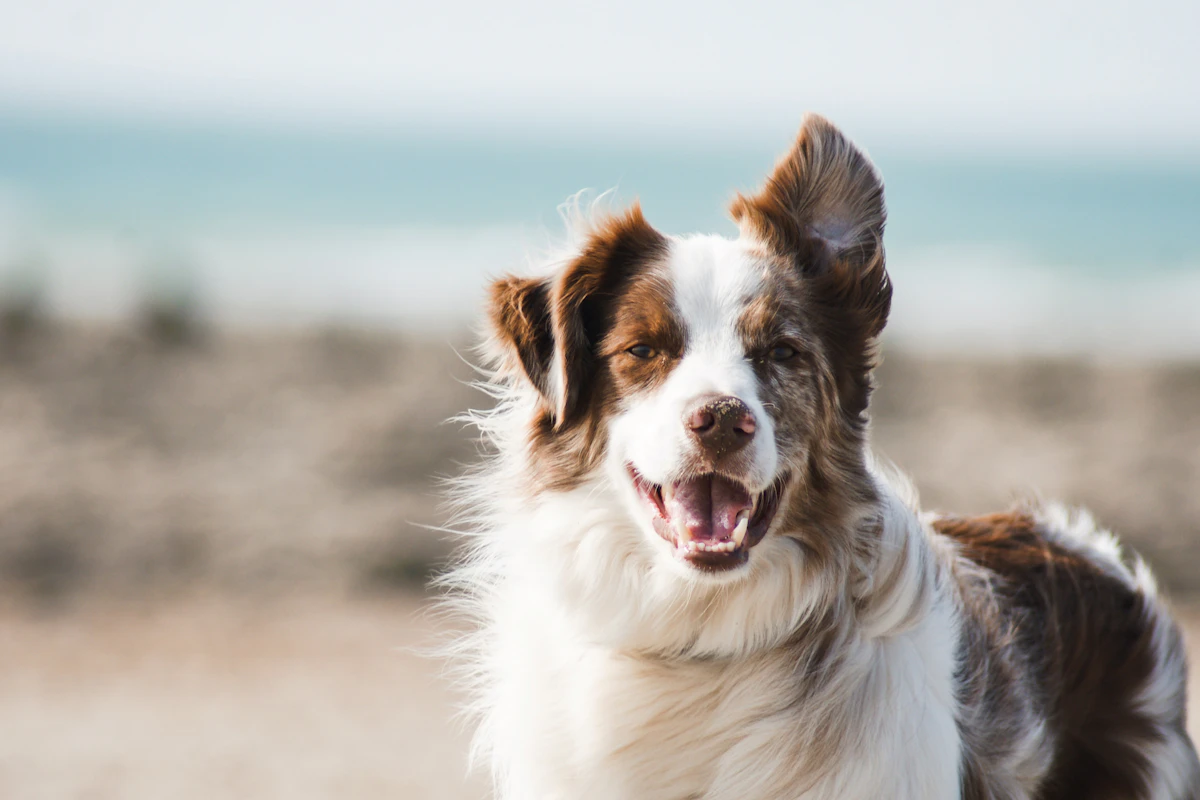
A reliable recall isn't just an obedience trick—it is the single most important life-saving command in your handling toolkit. Most dogs perform a fine recall in the living room or an enclosed yard, but fail completely the moment a deer bolts or another dog appears across an open field.
Building a non-negotiable emergency recall requires understanding cue hygiene, proofing under variable distance, and utilizing the right enforcement tools before granting off-leash freedom.
Rule 1: Stop Poisoning Your Recall Cue
The most common handler error is "poisoning" the command word. If you call your dog to come and the immediate consequence is clipping on a leash to go home, giving a bath, trimming nails, or scolding them for running off, the word "Come" becomes a predictor of a negative outcome.
- Never call to punish: If you must do something your dog dislikes, go to them calmly rather than recalling them.
- Release after reward: 80% of your training recalls should end with a high-value reward and an immediate release back to whatever they were exploring.
- Never repeat the cue: Calling "Come! Come! COME!" teaches the dog that compliance is optional on the first repetition. Say it once, then use your long line to enforce.
The 3-Phase Long Line Progression
Never test recall off-leash until it is 100% reliable on a 30-foot drag line. The long line prevents self-reinforcing runaways while keeping you in physical control.
Phase 1: Low-Distraction Mechanics (0–15 ft)
Issue your recall cue once in a neutral environment. As soon as the dog turns toward you, back up rapidly to trigger chase drive. Mark and deliver a jackpot reward upon arrival.
Phase 2: Distraction Proofing (15–30 ft)
Move to open fields with moderate scents or visual distractions. Allow the dog to engage with an odor, call once, and gently reel in the line without jerking if they hesitate.
Phase 3: Trailing Line (Zero Hand Contact)
Drop the line completely and let it drag behind the dog. You are close enough to step on the line if they blow past you, but the dog feels zero handler tension.
Essential Equipment Setup
To train this effectively, pair a 30-foot Biothane long line with a well-fitted, non-restrictive Y-harness. Never attach a long drag line to a flat collar or slip lead to prevent neck injury during a high-speed sprint.