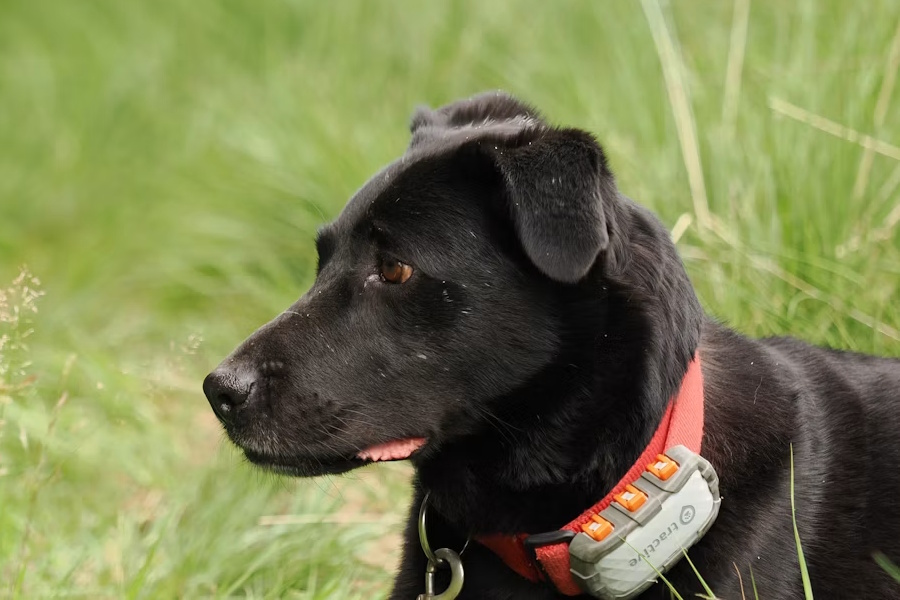
When an active dog breaks through brush after a deer or slips out of sight on public land, seconds count. The pet market is flooded with tracking devices, but they fall into two fundamentally different categories: true satellite/VHF radio telemetry and cellular-assisted IoT trackers.
Choosing the wrong technology can leave you staring at a "No Signal" screen when you need live coordinates most. Here is our field breakdown of how these architectures differ and which system fits your environment.
1. Cellular Trackers: Fi Series 3 & Tractive
Cellular collars use onboard GPS chips to acquire location, then transmit those coordinates back to your smartphone via LTE/5G cellular towers. They are lightweight, compact, and excel in suburban and semi-rural settings with solid cellular coverage.
- Pros: Sleek profile for daily wear, escape alerts, integrated health/step metrics, low upfront cost ($50–$150).
- Cons: Requires an ongoing monthly/annual subscription; completely non-functional in dead zones without cell coverage; refresh latency ranges from 2 to 15 seconds.
Fi Series 3 Smart Dog Collar
Stainless steel reinforced chassis with multi-constellation GNSS positioning and AT&T/LTE-M connectivity. Waterproof up to IP68 standards.
2. Dedicated VHF Satellite Systems: Garmin Alpha Series
Garmin working dog systems operate independently of cell towers. The collar communicates directly with a dedicated handheld transceiver over MURS/VHF radio frequencies up to 9 miles out, updating live position every 2.5 seconds with exact directional pointing.
- Pros: Zero subscriptions ever; instant real-time telemetry; 100% reliable in dense forest, canyons, and deep wilderness.
- Cons: High upfront cost ($600–$1,000+); bulkier collar transmitter suited for dogs over 30 lbs; requires carrying a handheld receiver.
Garmin Alpha 10 & TT15X Collar Bundle
High-sensitivity GPS/GLONASS tracking with up to 80 hours of continuous runtime and standalone handheld telemetry. The gold standard for hunters and field handlers.
The Bottom Line Recommendation
If your primary risk is a backyard escape or lost dog in local parks, a cellular tracker (Fi or Tractive) offers the best balance of cost and form factor. If you train in national forests, hunt, or hike off-grid without reliable cell signals, a Garmin VHF system is an essential safety investment.